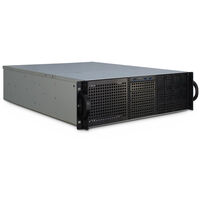
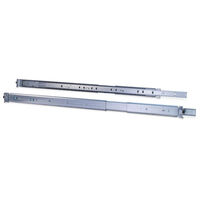
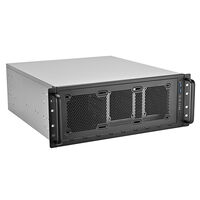
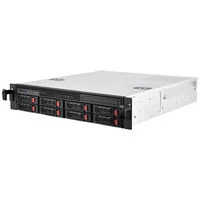
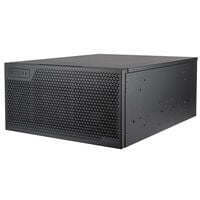
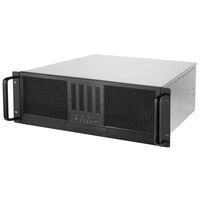
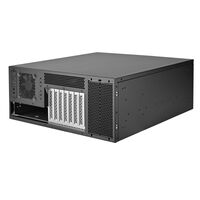
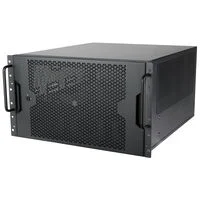
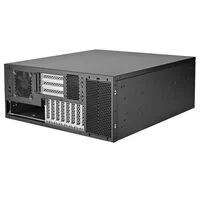
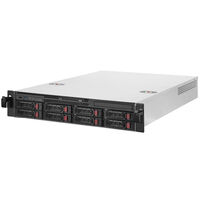
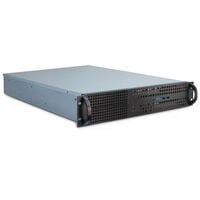
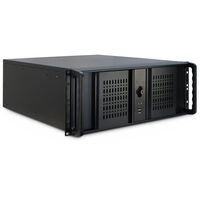
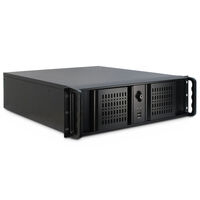
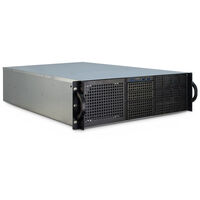
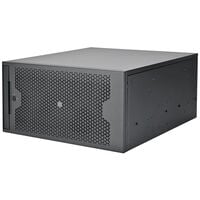
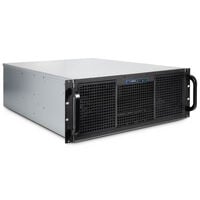
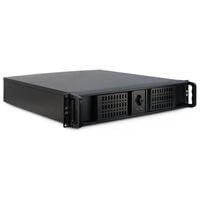
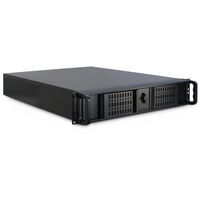
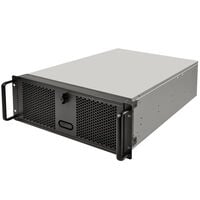
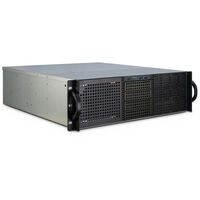
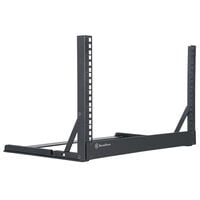
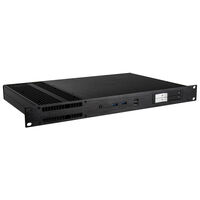
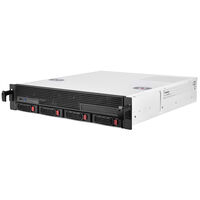
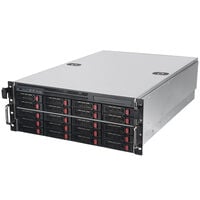
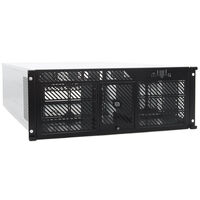
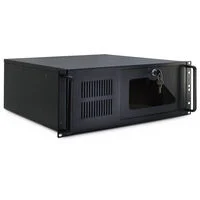
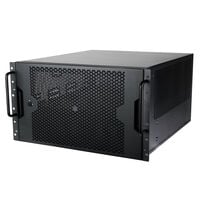
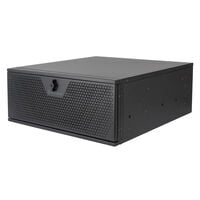
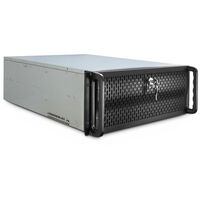
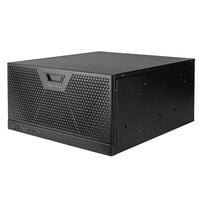
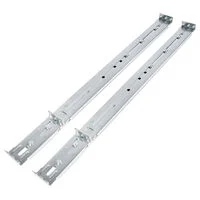
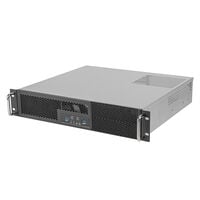
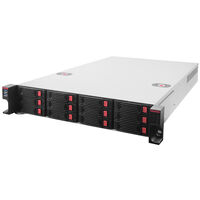
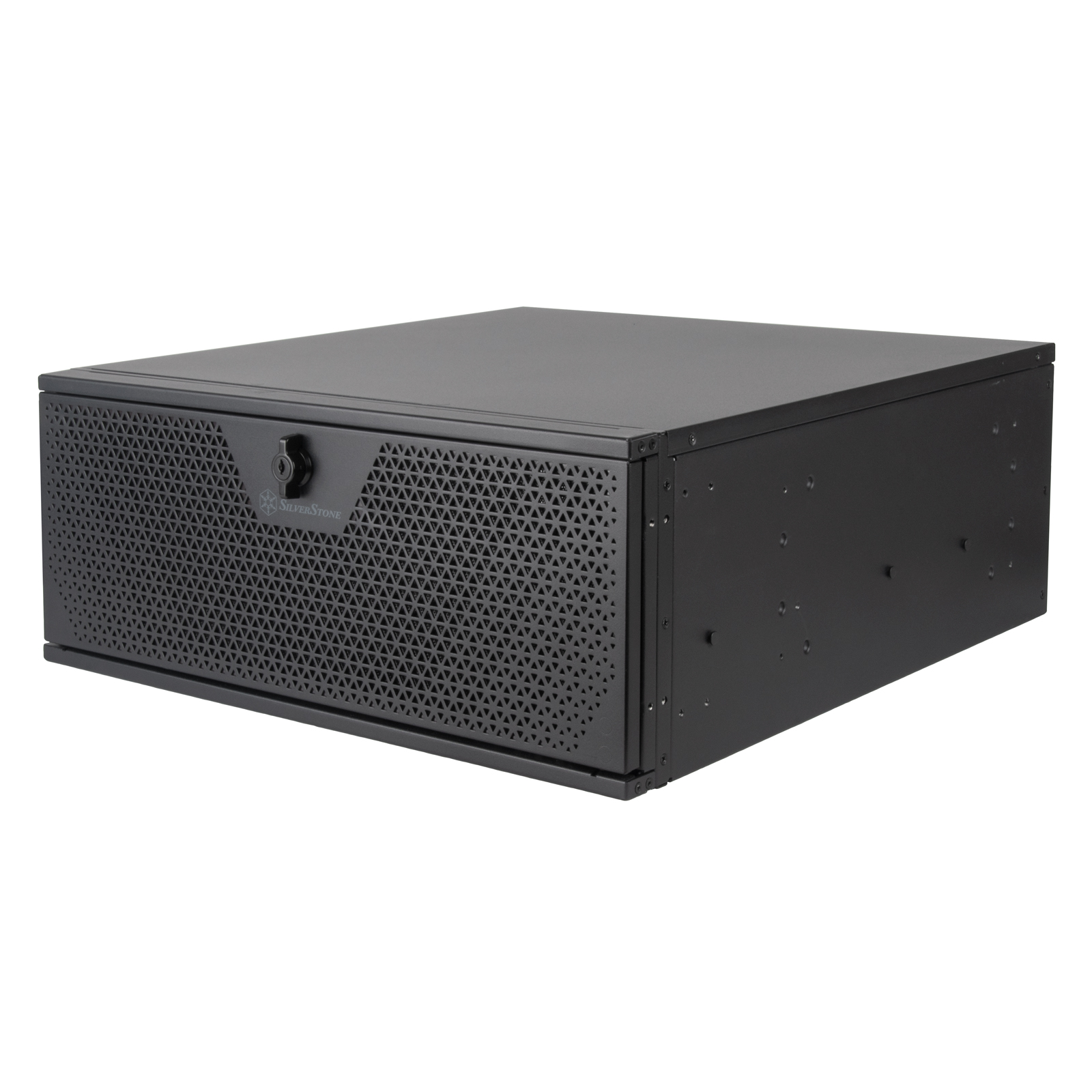
Rackmounts are specifically designed for professional server systems and built for durability and easy maintenance.
Rackmounts: Specialized Enclosures for Server Systems
Professional rackmounts combine functional form factors with the robustness required for modern hardware in continuous operation.
Whether flat 2U systems for maximum density or spacious 5U enclosures for complex workstations – here you’ll find the right case for your 19-inch rack.
Rackmount Form Factors at a Glance
Which form factor is best depends on the available space and the hardware you plan to install. Sizes are defined in units (U), the standard measurement for rack height.
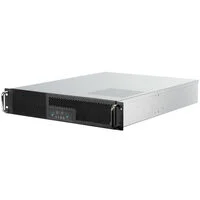
2U Server Cases
2U enclosures are the compact choice for maximum density.
- Height: up to 89 mm
- Low-profile cards or riser-based installation
- Cooling: high-pressure 80 mm fans
- Motherboards: Mini-ITX to E-ATX
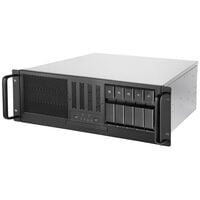
3U Server Cases
3U enclosures offer the ideal balance for storage servers.
- Supports vertical expansion cards
- High drive capacity
- Cooling: 80–120 mm fans
- Efficient airflow across HDD backplanes
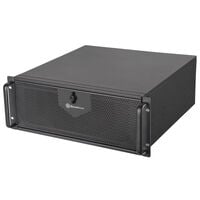
4U Server Cases
4U enclosures provide space comparable to a mid-tower for full-size hardware.
- Standard GPUs without risers
- Supports large tower CPU coolers
- Cooling: quiet 120 mm fans
- Often available as tower/rack hybrid (convertible)
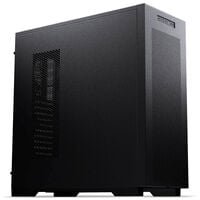
Tower Server Cases
Tower servers are the ideal standalone solution without a rack.
- Flexible standalone operation in office environments
- Optimized for quiet 24/7 operation
- Plenty of space for dual-CPU motherboards
- Lockable front panel for physical security
Maximum Reliability and Hot-Swap Functionality
Uninterrupted operation is essential for professional servers. With hot-swap drive bays, drives can be replaced during operation if an HDD or SSD fails. In addition, redundant power supplies provide extra security: if one PSU fails, the second instantly takes over power delivery to the hardware.
Optimized Cooling for 19-Inch Rackmount Systems
Continuous operation in dense racks requires a reliable cooling concept with targeted front-to-back airflow. High-performance industrial fans with strong static pressure ensure that heat is efficiently expelled from the chassis even under full load. This keeps your system thermally stable even at high density.
FAQ – Rackmounts & Server Cases
What do HE or U mean in server cases?
U (unit) is the standard measurement for height in a 19-inch rack. One unit equals exactly 44.45 mm. A 2U case is twice as tall as a 1U model and occupies two rack slots.
Will every rackmount case fit into my network cabinet?
Width is standardized at 19 inches, but installation depth varies. There are short-depth cases for shallow wall-mounted cabinets and full-depth models for larger server racks. Always check your cabinet depth including cable management before purchasing.
What is the difference between a tower server and a rack server case?
A tower server stands independently and is ideal for offices without dedicated IT infrastructure. A rack server is designed for space-saving installation in a cabinet, enabling centralized cooling and cabling in data center environments.
When is a standard rack not sufficient and a custom solution required?
A standard rack may not be sufficient when requirements exceed typical 19-inch setups—such as very high power density (heat), unusually heavy or deep systems, specialized cooling concepts (e.g. liquid cooling), or specific security requirements.
How important are tool-less access features in professional environments?
Tool-less access is important because it speeds up maintenance, reduces downtime, and minimizes the risk of errors.
What are the differences between mechanical and electronic rack locking systems?
Mechanical locks are simple, robust, and independent, but offer no logging. Electronic systems enable access control and logging, but are more complex and depend on power and IT infrastructure.